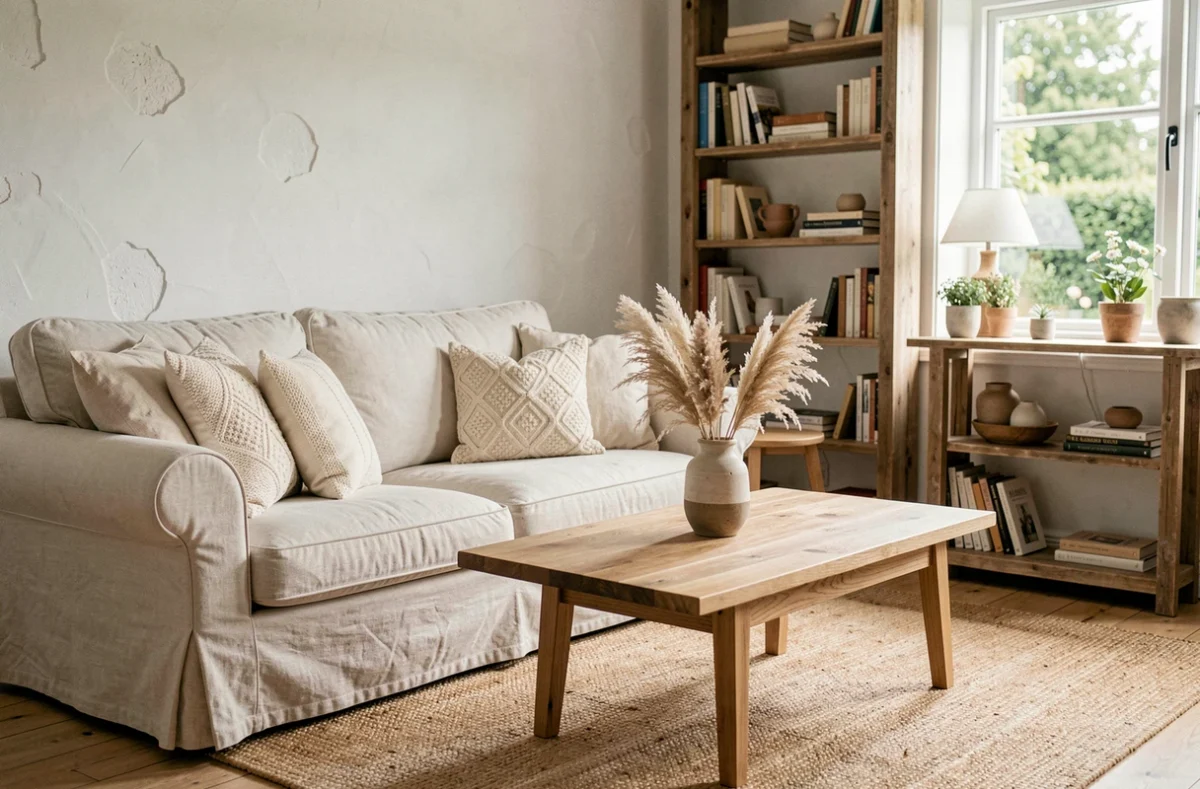
A south-facing living room at 2 p.m. in July, dark walls that soak up the heat, a sticky velvet sofa: we’ve all had that moment when the décor we loved in winter becomes a problem in summer. Adapting your home to hot weather without tearing everything out or giving up your personal style is a practical decorating challenge. The right choices of materials, colors and fabrics can make a real difference to how comfortable a room feels.
Decorating a room for hot weather without major renovations
Let’s start with a common scenario: a south- or west-facing room, thin interior blinds and dark flooring. The temperature rises quickly, and the first instinct is to switch on a fan or air conditioning. Before it comes to that, a few decorating choices can help improve thermal comfort.
Exterior sun protection (adjustable-louver shutters, awnings and external sun shades) is the most effective way to block heat before it gets inside. If you’re renting, you may not be able to install these, but you can still make changes to things within your control: curtains, cushions, rugs and wall colors.
A thick, light-colored linen curtain hung in front of a large window filters some of the sun’s rays without plunging the room into darkness. Replacing a synthetic rug with one made from natural fibers (jute, sisal or woven cotton) changes how the floor feels underfoot. You’ll find practical ideas like these in Officiel News’ home section, which covers everything from interior design to everyday comfort.
- Choose light or neutral shades for walls exposed to the sun: they reflect more light and absorb less heat than charcoal or midnight-blue walls.
- Choose cotton or linen sofa covers instead of velvet or polyester, which trap body heat.
- Opt for light-colored blackout curtains rather than heavy, dark drapes, which can turn a window into a passive radiator.
Decor colors and materials for a cool home all year round
Choosing colors for your home isn’t just about style. An off-white wall stays cooler than a black one—it’s physics. That said, there’s no point decorating your entire home in white to avoid the heat if you hate the result.
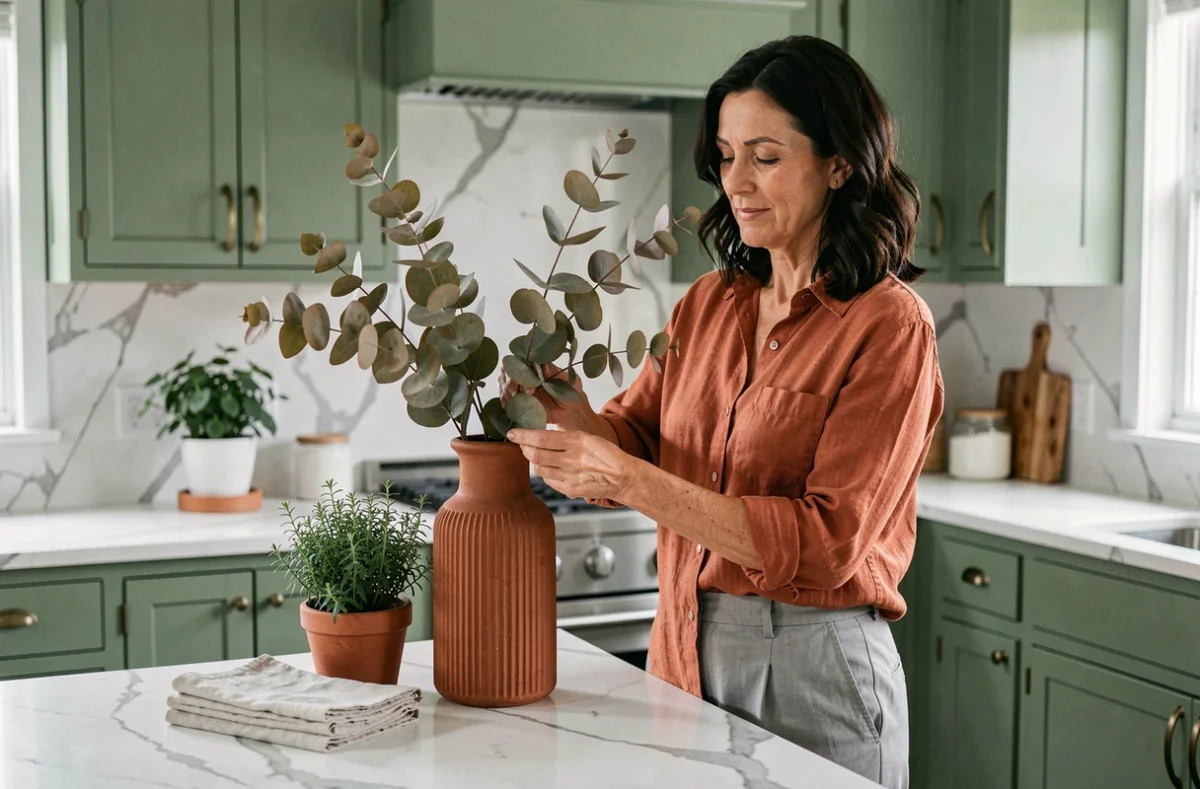
The solution is to make choices room by room. Save saturated shades (terracotta, forest green and teal) for walls that get little sun or for north-facing rooms. Walls that receive direct sunlight for several hours a day are better suited to light shades or muted pastels.
The pitfalls of cheap paint
Color aside, paint composition matters when it comes to indoor air quality. Some paints release volatile organic compounds (VOCs) for several weeks after application. Choosing low-VOC paint, identified by its environmental label, helps protect the air you breathe—especially in a bedroom or a poorly ventilated room in summer, when windows stay closed during the hottest hours.
When it comes to furniture, solid wood and rattan feel pleasant to the touch in hot weather. Glass or ceramic tabletops don’t retain heat. By contrast, a large faux-leather sofa in a small living room with no airflow can quickly become uncomfortable as the temperature rises.
Personalize your décor room by room without redoing everything
Creating a home that feels like you doesn’t necessarily mean a complete makeover. In most cases, you can make a quick difference with three things: fabrics, decorative objects and lighting.
Fabrics and accessories: a duo that transforms a room
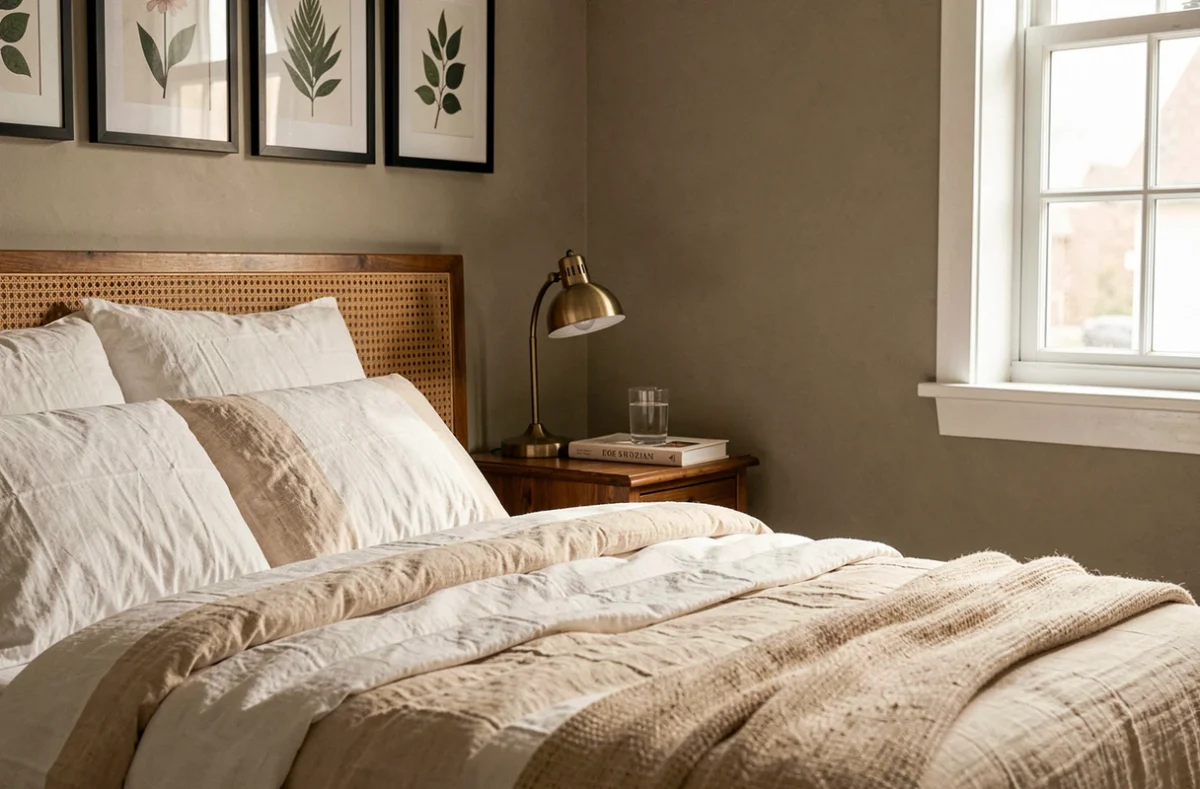
Changing the cushions, bedding, curtains and rug in a bedroom can transform its feel in just a few hours. Stick to two or three colors at most to avoid a cluttered look while still leaving room for personality. A cushion brought back from a trip, a vintage vase or a framed print: these objects tell a story and make the room feel lived-in rather than straight out of a catalog.
Kitchens and bathrooms are often overlooked. A new set of linen tea towels, a stoneware utensil holder or a mirror with a raw-wood frame is enough to add character without any renovation work.
Lighting and a sense of space
A single ceiling light in the center of a room flattens the space and creates a cold glow. Adding multiple light sources (a reading lamp, a wall sconce or a subtle string of lights) lets you adjust the mood to suit the moment. In summer, warm, indirect lighting makes it easier to keep the shutters half-closed without feeling shut in.
Reclaimed materials in home décor: what to check
Finding an old shutter to turn into a headboard, salvaging bricks for an accent wall or reusing construction planks as shelves can look appealing, but an old item isn’t automatically ready to install.
Fire resistance, impact resistance and compliance with current standards all need to be checked. Wood treated with a product that is now banned shouldn’t be used in a child’s bedroom. The appearance of an old material doesn’t guarantee that it’s safe to use.
In practice, sand it, treat it if necessary, and make sure the fixings can support the item’s actual weight. A salvaged cast-iron mirror that isn’t properly secured to the wall poses a real risk, especially in a living area.
Adapting your home to your tastes and comfort—including thermal comfort—comes down to making thoughtful choices about materials, colors and fabrics. Rooms that get the most sun deserve particular attention when choosing finishes and textiles. The rest is about finding a balance between what you love looking at and what you can bear to touch in the middle of August.