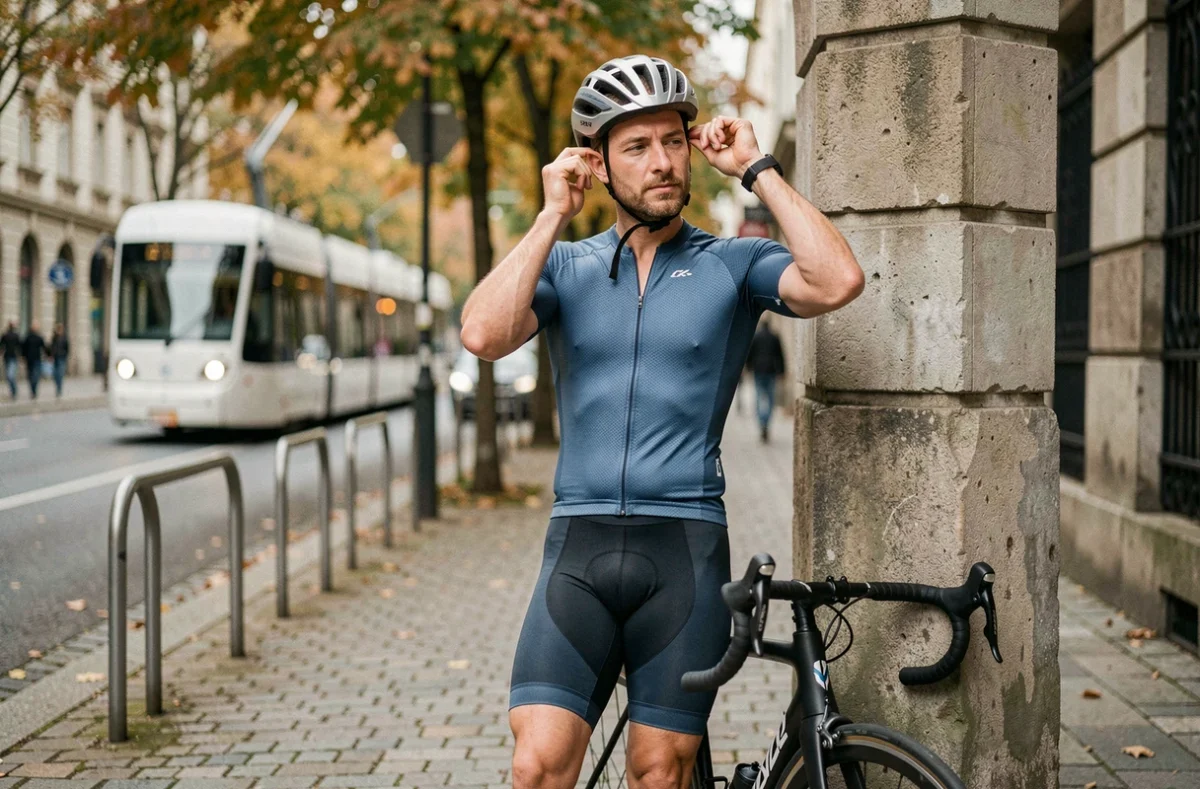
Your commute has changed in recent years. The cycle lane that used to end abruptly at the intersection now continues, a repair shop has opened around the corner, and bike counters are recording record numbers. Behind these everyday changes, several major initiatives are reshaping the role of cycling in France, from infrastructure and sports participation to equipment.
Connected cycling routes: the real challenge for bike networks
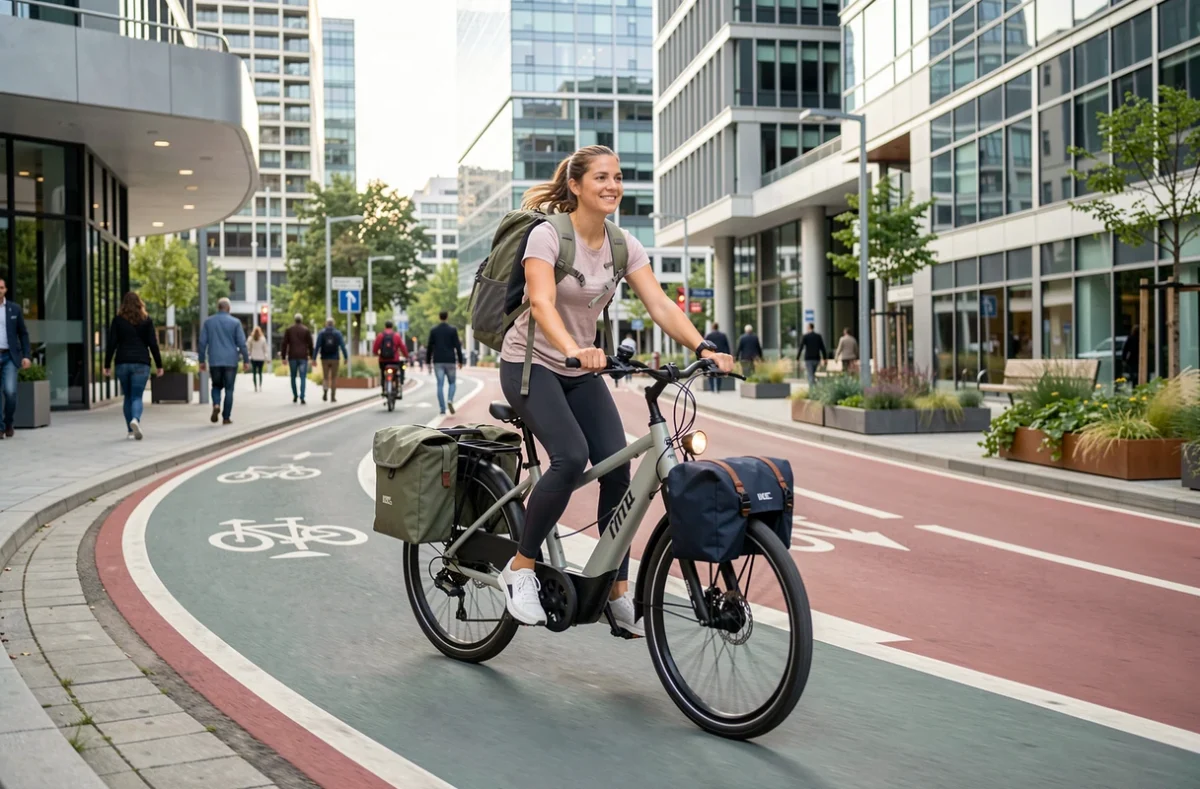
Building miles of cycle lanes isn’t enough. A cycling network is only truly useful when every section connects to the next, with no gaps or dangerous detours. Several local authorities are taking this approach as they rethink their plans.
The cycling infrastructure charter published by the Dordogne Department illustrates this approach. It makes network connectivity, clear routes and safe crossings prerequisites, even before counting the miles of infrastructure built. The document also offers technical support and funding options for municipalities.
In Île-de-France, a regional plan targets “gaps” in the network: specific points (bridges, interchanges, industrial areas) where the cycle lane disappears and cyclists find themselves sharing the road with motor traffic. The French Federation of Cycle Tourism reports that the plan includes dedicated crossings and unified signage inspired by the metro and RER. The idea is simple: cyclists should be able to follow a signposted route from start to finish without checking their phone at every intersection.
Among Mister Bike’s latest news, these infrastructure developments sit alongside new equipment and sporting results, offering a fairly complete picture of today’s cycling landscape.
Urban cycling safety: beyond cycle lanes, intersections and blind spots
Have you noticed that the most stressful moments on a bike don’t happen on the cycle lane itself, but at intersections? Intersections are where most conflicts between cyclists and motor vehicles occur. This is where paths cross and truck blind spots become critical.
Several French cities are working on targeted measures:
- Wider bike boxes at red lights, positioning cyclists ahead of cars and within truck drivers’ field of vision
- Mirrors and sensors at high-risk intersections to alert drivers to cyclists in trucks’ blind spots
These measures go far beyond simply building cycle lanes. They address the specific situations in which accidents happen.
Rising cycling numbers, an industry under pressure
Bike counters are recording sharp increases across many French cities. This rebound in cycling might suggest that all is well in the sector. The economic reality is more nuanced.
A boom in cycling doesn’t automatically mean a recovery for the cycling industry. The new-bike market went through a period of excess inventory in the years following the pandemic, and some retailers are still struggling to clear their stock. It’s worth distinguishing between cycling participation (how many people ride) and the industry’s financial health (how many bikes are sold, at what price and with what profit margin).
It’s against this backdrop that repair and reuse are taking on a growing role. The circular economy applied to cycling is about more than an eco-friendly choice: it meets the needs of cyclists who would rather maintain their bike than buy a new one. Community repair workshops and bike refurbishment organizations are multiplying, driven by local initiatives and national policies that promote reuse.
Gravel, cycle touring and new ways to ride: what’s changing on the ground
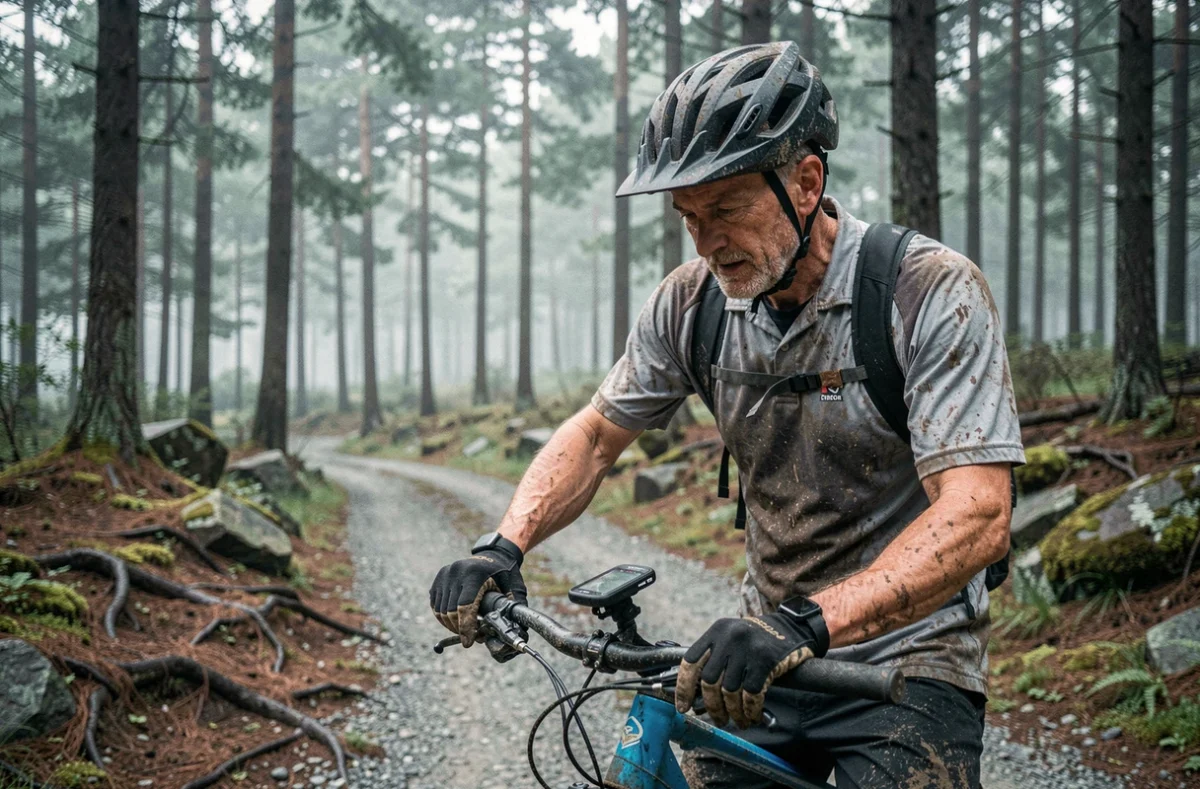
Cycling is no longer just about road bikes and mountain bikes. Gravel bikes—versatile bikes that can handle both pavement and trails—have changed the game. Why are they so popular? Because they suit the way people actually ride: cyclists can explore different terrain without needing multiple bikes.
Cycle touring is enjoying a similar resurgence. Signposted long-distance routes (cycle routes and greenways) are attracting people who don’t necessarily consider themselves athletes. The bike is becoming a way to travel in its own right, not just a training tool.
This diversification in cycling has a direct impact on equipment. Manufacturers are offering broader ranges, with geometries suited to bikepacking, versatile tires and integrated carrying accessories. Traditional cycling magazines, long focused on road racing, now cover these disciplines just as closely.
Equipment and tips for beginners
For cyclists looking to try gravel riding or cycle touring, these three practical pointers can help you get started:
- Tire width affects comfort and grip: choose a wider tire suited to the trails you ride most often
- A carrying system (frame bags or a saddle bag) helps you avoid a backpack and the back pain it can cause over long distances
- Independent lighting (a hub dynamo or long-lasting battery) is still essential for rides that last longer than a day
The cycling world is changing fast, with expanding infrastructure, more diverse ways to ride and an industry searching for balance. Cycling mobility in France is taking shape as much at redesigned intersections as on gravel trails. What connects these changes is a shared goal: making cycling practical, safe and accessible—not just on paper.