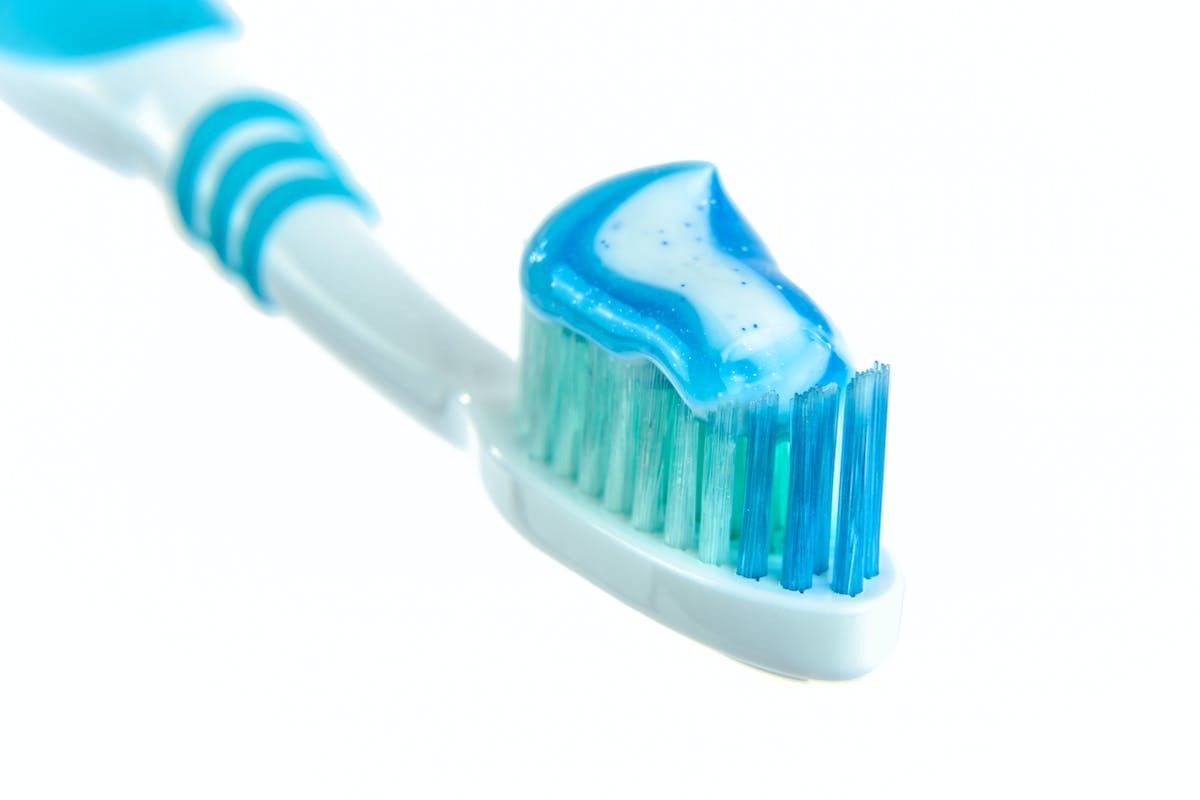
It seems that toothpaste, this everyday product we use to maintain good oral hygiene, has another surprising use. Indeed, its application extends well beyond the bathroom and could even help you solve a common problem: scratches on plastic. Many people are unaware that toothpaste can be used as an effective remedy to eliminate these unwanted scratches. Whether it’s on your glasses, on your phone screen, or even on your car, it could be the solution you need. So, how does it work exactly?
Plastic Scratches: Tips for Removing Them
Removing scratches from plastic surfaces can be quite a challenge. However, a little-known but extremely effective tip exists to address this issue: use toothpaste not only for oral hygiene but also as a means to remove plastic scratches with toothpaste.
The first step in this unexpected method is to clean the damaged area with warm water and soap to remove any dirt or residue that could interfere with the process. Once the surface is clean and dry, it’s time to apply the famous remedy: toothpaste.
It is crucial, however, to specify that not all types of toothpaste are suitable for this task. Some models contain microbeads or other abrasive particles that can cause more damage to your plastic item. To remove plastic scratches with toothpaste without causing further scratches, opt for a simple, white product without granules.
To apply the product, squeeze a small amount directly onto the scratch and then use a soft cloth to gently rub in circular motions for about thirty seconds. This action will allow the slightly abrasive elements present in the toothpaste to polish and minimize the appearance of the scratches.
Once this step is complete, rinse the item thoroughly under warm water, ensuring that all residue from the product has been properly removed before it has time to dry. Then dry your item completely with another clean, soft cloth.
Before anything else, always ensure that your items respond well to the treatment; therefore, perform a test on a small, inconspicuous area first to check for any undesirable effects from the material’s contact with the components in these dental products.
In summary—if we were to give a modern proverb to this outstanding advice—it would be: ‘A radiant smile gives rise to multiple uses.’ Not only does it help maintain our impeccable oral health, but thanks to the unsuspected power of the classic white tube, we have now found out how to remove plastic scratches with toothpaste!
Effective Methods for Plastic Scratches
The effectiveness of toothpaste in treating scratches on plastic surfaces is a topic that piques the interest of many consumers. But what is the reality? Is it a reliable and durable solution for restoring the appearance of our plastic items? Let’s take a closer look at this alternative method.
The main advantage of toothpaste in treating scratches is its polishing action. Indeed, most toothpastes contain abrasive agents such as calcium carbonate or sodium bicarbonate, which have the ability to eliminate small imperfections present on plastic surfaces. These abrasive agents act like tiny particles that will gently smooth the damaged surface, thereby visibly diminishing the scratches.
It should be emphasized that this method is not miraculous and cannot solve all problems related to deeply embedded scratches or significant structural damage. In some cases, it may be necessary to resort to other more specialized techniques such as sanding or using specific products designed to repair significant scratches. It is important to keep in mind that the use of toothpaste has its limits and cannot guarantee complete restoration in all situations.
When used correctly and with patience, toothpaste can provide satisfactory results in visually reducing these unsightly small imperfections on plastic items. It should be noted that the success of this method will also depend on the type of plastic used, as some materials may react differently to the abrasive agents present in toothpaste.
To maximize the effectiveness of the treatment, do not rub for too long to avoid causing premature wear of the material.
Although toothpaste can be considered an effective remedy for removing scratches on plastic surfaces, its use remains limited and is not suitable for all types of damage. It is a temporary solution that can help improve the visual appearance of plastic items, but it cannot guarantee a complete and durable repair in all cases. If you want optimal results or if your scratches are significant, it is best to consult a qualified professional to find the best approach suited to your specific situation.
Toothpaste: Miracle Solution for Plastic Scratches
Now let’s move on to the steps for using toothpaste to eliminate scratches on plastic surfaces. Here is a practical guide that will help you achieve the best possible results:
Surface Preparation: Before you start, make sure the plastic surface is clean and dry. Use a soft cloth to remove any dirt or dust present on the item.
Choosing the Right Toothpaste: Opt for a non-gel, gritty toothpaste, as it generally contains more effective abrasive agents for treating scratches.
Applying the Toothpaste: Apply a small amount of toothpaste directly onto the scratched area. Use your finger or a soft-bristled toothbrush to gently rub the product onto the damaged surface. Be sure to work in regular circular motions and apply light pressure.
Polishing: Continue to rub carefully for a few minutes, checking the state of the scratch regularly as you progress. Pay close attention to this step to avoid any additional risk of damage.
Rinsing and Drying: Once satisfied with the result, rinse the treated surface thoroughly with warm water to remove any remaining toothpaste residue. Gently dry with a clean cloth to avoid streaks or spots.
Evaluating the Result: Carefully observe the treated area and compare it to the initial state of the scratch. In many cases, you should notice a visible improvement in the overall appearance of the plastic surface.
Keep in mind that results may vary depending on factors such as the depth and specific nature of the scratches, as well as the type of plastic used on the item. It is recommended to perform a preliminary test in a small, inconspicuous area to assess effectiveness and avoid any potential risk of further damage.
Toothpaste can be an effective remedy for reducing scratches on plastic surfaces, but it does not always guarantee perfect or durable results. The proper use of toothpaste combined with a cautious approach can help partially restore the appearance of damaged plastic items. Be mindful of the limitations of this method and consider more specialized alternatives if necessary.
Using Toothpaste to Repair Plastic Scratches
When using toothpaste to eliminate scratches on plastic, certain precautions should be taken. Here are some tips to avoid any further damage:
Preliminary Assessment: Before applying the toothpaste, carefully examine the plastic surface and assess the extent of the scratches. Ensure that the toothpaste is suitable for this specific type of plastic.
Test on a Small Area: It is highly recommended to perform a preliminary test in a less visible area before treating the entire surface. Apply a small amount of toothpaste on a corner or discreet part of the plastic to check its effectiveness and compatibility.
Use gentle movements: During the application of the toothpaste, avoid abrupt gestures and excessive rubbing that could further damage the plastic surface.
Avoid aggressive chemicals: Do not mix toothpaste with other abrasive or powerful chemical products, as this could cause undesirable reactions or further deteriorate the plastic material.
Thorough Rinsing: After polishing the surface with toothpaste, make sure to rinse away any residual traces with clean warm water to eliminate any potentially corrosive residues.
Proper Drying: Once the operation is complete, gently dry the plastic surface with a clean, soft cloth to avoid any formation of spots or stagnant moisture.
Regular Monitoring: Keep a close eye on the treated area over time to ensure that the improved appearance of the scratches remains intact. If the scratches reappear or if additional damage occurs, consider consulting a specialist in the field.
By following these precautions, you can minimize risks when using toothpaste on plastic and achieve satisfactory results. It should be noted that this method does not guarantee complete restoration of plastic surfaces and that it may be necessary to consider other more specialized solutions depending on the case.
Essential Precautions When Using Toothpaste on Plastic
The results obtained with the use of toothpaste on plastic scratches can vary depending on several factors. It should be noted that this method does not guarantee complete restoration of plastic surfaces, but can still offer visible improvements.
Some users have reported promising results after applying toothpaste to their scratched plastic items. They noticed a significant reduction in the appearance of scratches and an overall improvement in the aesthetics of the treated surface.
It should be noted that these results can vary depending on the type and depth of the scratches, as well as the specific material of the plastic involved. The performance of the toothpaste may differ based on its formulation and abrasive properties.
In some cases, toothpaste has successfully completely removed small superficial scratches, making the surface practically indistinguishable. For deeper scratches or those present on a more rigid plastic, the result may be less satisfactory.
It should be emphasized that excessive or incorrect use of toothpaste can lead to undesirable side effects such as additional marks or increased degradation of the plastic material. It is important to be vigilant when using this method and to adhere to the recommended precautions mentioned earlier.
Consider consulting a specialist in the field, such as a repair or plastic polishing professional, who can provide more specific and tailored solutions to the situation, in case of doubt.
While the use of toothpaste can yield positive results in some cases, it is not a miracle solution for removing all scratches on plastic. Use it with caution to achieve the best possible results.
Promising Results with Toothpaste Against Plastic Scratches
The previous article presented toothpaste as an effective remedy for eliminating scratches on plastic. It should be emphasized that this method carries certain risks and limitations.
The use of toothpaste requires a certain technique. Avoid any excessive pressure that could further damage the plastic.
Not all types of toothpaste are suitable for this use. It is best to choose a non-gel toothpaste containing mild abrasive agents such as baking soda or hydrated silica. These ingredients allow the toothpaste to have a slightly abrasive effect without being too aggressive on the plastic.
It should be mentioned that the effectiveness of the treatment will largely depend on the depth and extent of the scratches. Small superficial scratches are more likely to be diminished or even completely erased by the action of the toothpaste, while deeply embedded scratches may require more specialized professional intervention.
Keep in mind that even if the result may seem satisfactory after using toothpaste, this does not necessarily mean it is a permanent solution. The abrasive properties of toothpaste can indeed slightly alter the surface of the plastic, which may lead to faster deterioration in the long run.
It should be emphasized that this method is not suitable for all types of plastic. Some materials are more sensitive to chemicals or friction, which could cause irreparable damage. Before applying toothpaste to a plastic surface, it is recommended to consult the manufacturer or a professional for specific advice.
While the use of toothpaste may be a temporary solution for reducing scratches on plastic, it is important to use methods appropriate to the material in question and seek advice from a specialist if necessary.