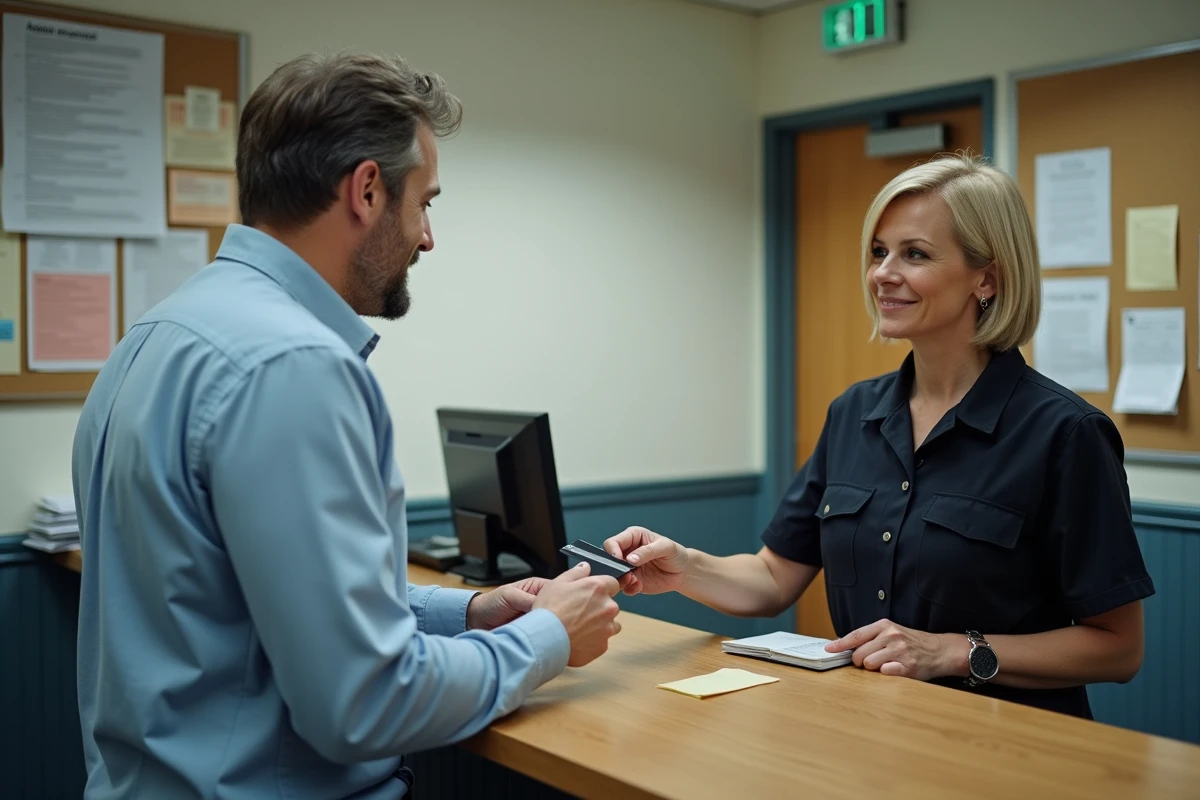
A towed vehicle often comes with an unexpected bill. Between towing fees, daily storage, and fines, the total amount can exceed several hundred euros. For households on a tight budget, paying in one go at the towing office is not always feasible, and the consequences of a delay in retrieving the vehicle increase the cost every day.
Towing check and exit deposit: the little-known system since 2025
Since mid-2025, a mechanism for temporary “towing checks” has been implemented in certain towing yards. The principle is straightforward: you pay a first deposit of 30% of the total fees, which allows for the immediate release of the vehicle. The remaining balance is then spread over a payment schedule that can last up to six months.
This system targets low-income households. Initial feedback indicates a decrease in disputes between users and towing yard managers. To benefit from it, you generally need to justify your situation to the towing yard manager or the municipal police service that ordered the towing.
To better understand the payment options in installments at the towing yard, it is important to distinguish between municipal towing yards (managed by the municipality) and private towing yards under delegation, as payment facilities vary from one manager to another.
Instalment payment via the ANTS app: what changes in 2026
Since January 2026, a regulatory change allows for installment payments directly via the ANTS app for towing fees under 500 euros. This system, rolled out in twelve pilot regions, relies on two cumulative conditions.
- The release of the vehicle must have been pronounced beforehand by the police service or the prefecture, which means the owner must have regularized their administrative situation (registration, insurance, technical inspection).
- A financial guarantor must be designated, often a partner banking institution, which assumes the risk of non-payment to the towing yard.
- The total amount of fees (towing, storage, possible expertise) must not exceed the ceiling set to be eligible for online installment payments.
In practice, the process is done from the personal ANTS space. You enter the registration number, consult the towing file, and then select the installment payment option. Payment is made by credit card in several installments, with a schedule set upon validation.

Feedback varies on this point, as not all towing yards are yet connected to the online service. Coverage depends on the region and the local provider. Before relying on this option, it is best to check directly with the relevant towing yard or on the prefecture’s website.
Towing yard and RSA: why installment payment impacts social assistance
This is a rarely addressed angle in practical guides. An installment payment of towing fees can alter the calculation of resources considered for certain social assistance, including the RSA.
When you pay the full amount at once, the expense is one-time and does not appear in the quarterly resource declarations. In contrast, a payment schedule over several months creates recurring deductions that are not deductible from the income reported to the CAF. As a result, the amount of RSA or activity bonus is not adjusted to reflect the actual decrease in household resources.
For RSA beneficiaries or other social minima, two points deserve attention:
- Towing fees are not included in the list of deductible expenses for calculating the RSA. Paying in installments does not reduce the amount of assistance received, but it does not increase it either.
- If the vehicle is not retrieved and is auctioned by the towing yard, the owner may end up owing a negative balance (fees exceeding the sale price), which constitutes a debt that can complicate a debt restructuring case.
- In case of difficulty, the CCAS (Centre communal d’action sociale) of the municipality may sometimes intervene with emergency assistance, but this possibility depends on each municipality and its allocation criteria.
Accepted payment methods at the towing yard: credit card, cash, and special cases
At the counter of a towing yard, accepted payment methods remain conventional. Credit cards are almost always accepted. Cash payment is possible in most municipal towing yards, but some private towing yards under public service delegation refuse it.
Bank checks are becoming less accepted, especially for large amounts, due to the risk of non-payment. Asking about accepted payment methods before going can save time, especially on weekends when counters have reduced hours.
For the return of the vehicle, several documents must also be presented: the registration certificate (carte grise), an identity document, a valid insurance certificate, and the release issued by the police service or the prefecture. Without these documents, payment alone is not enough to retrieve the vehicle.
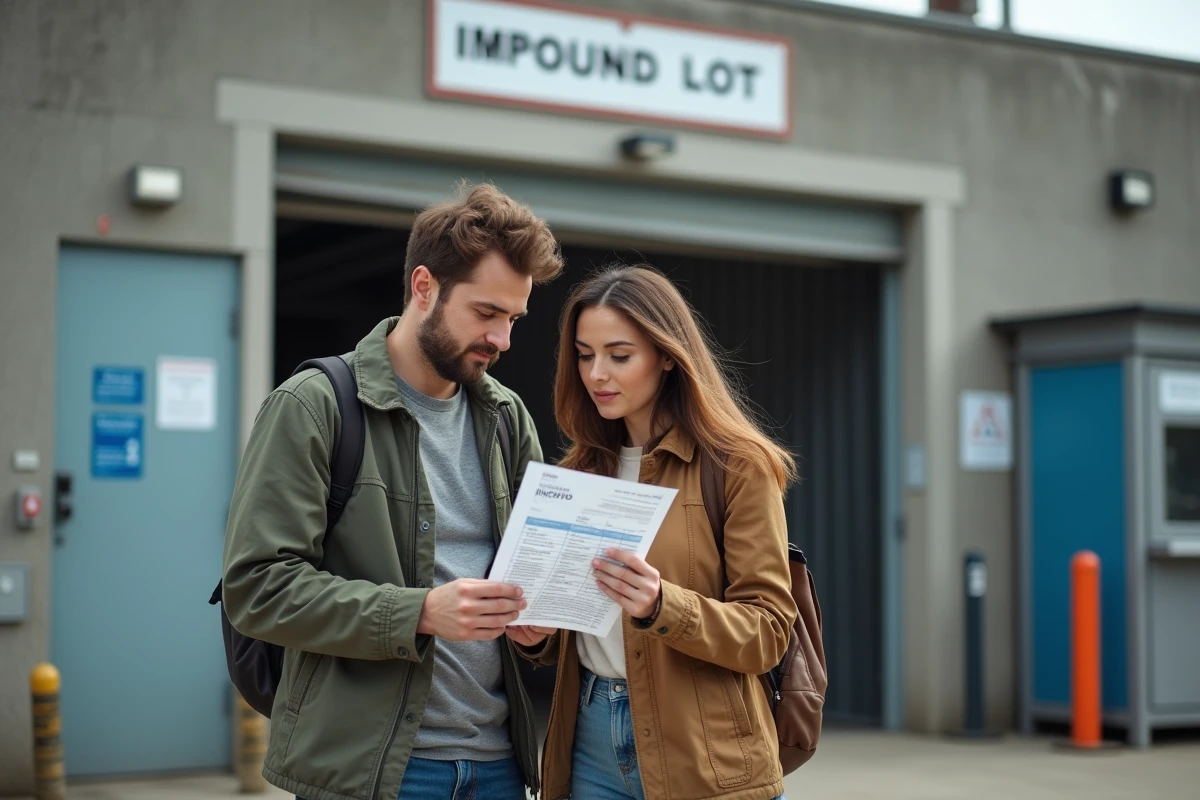
Each additional day of storage increases the bill. In this regard, the Spanish model offers a contrast: the DGT has been offering interest-free installment payment options in four installments since 2024 for vehicles registered in the European Union, a system that France is beginning to observe in the context of cross-border discussions.
Before finding yourself stuck at the counter, the most useful reflex is to contact the towing yard as soon as you receive the notification of towing. Some accept to freeze storage fees while you prepare an assistance file or find a guarantor for the installment payment. Failing to act, however, runs the risk of the vehicle being put up for sale after a period that varies according to the prefectures.