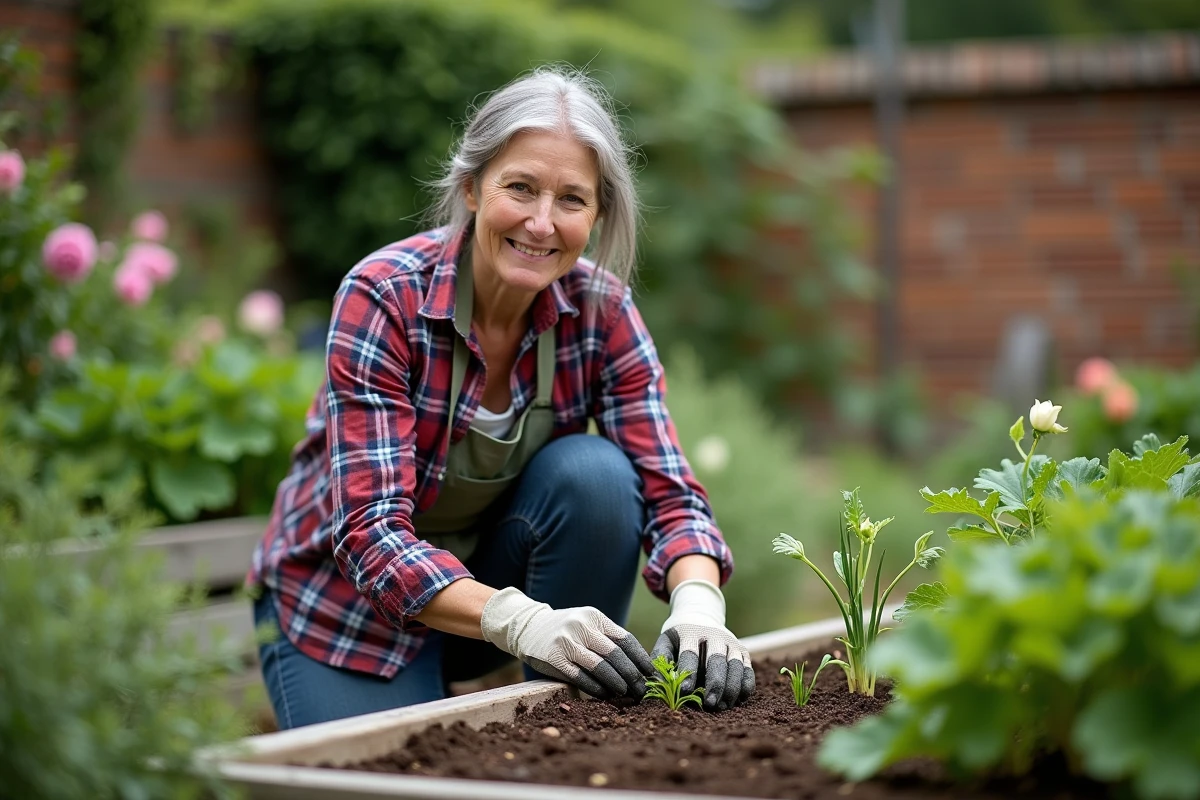
An overly nitrogen-rich soil sometimes does more harm than good, even if many believe that an excess of fertilizer necessarily boosts crops. Contrary to common habits, some plants thrive better if they are slightly short on water, while regular watering is often considered the golden rule.
Crop rotation is not just about preserving the soil; it also helps to disrupt the pest cycles specific to each plant family. Understanding the seasons and adjusting one’s habits: this is how one avoids classic pitfalls and gives their vegetable garden every chance to thrive.
Why adapting your actions to the rhythm of the seasons changes everything in the garden
A garden laughs at certainties. To progress, one must listen to the rhythm of the seasons. Understanding the natural tempo is where the difference lies between those who fumble and those who harvest. In spring, the soil awaits its time: sowing too early exposes seeds to the cold, while sowing too late causes young plants to suffer from a lack of water. One monitors the weather, protects seedlings with mulch, and stays alert for morning frosts.
During the beautiful season, growth accelerates. Targeted watering, done early or late in the day, limits diseases and strengthens plants. Crop rotation then becomes a key weapon for keeping the soil alive and thwarting pest establishment. One observes, adjusts, diversifies: the vegetable garden demands vigilance.
When autumn arrives, one prepares for winter. Fallen leaves, once composted, return to the soil what it has given. Root sowings, well-timed in the calendar, ensure reserves for the bad season. Winter, far from being a pause, invites planning, cleaning, pampering tools, or checking out Jardiniers info: it’s the time to rethink practices and prepare for what’s next.
This cycle does not stifle inspiration; it channels it. Adjusting to the natural rhythm allows the garden to express its strength, whether cultivating a small green space in the city or a large plot in the countryside.
What simple tips make life easier for beginner and passionate gardeners
Patience is cultivated, but method saves years. Choose a well-exposed location, easily accessible, even if modest. Planning a path allows for intervention without disturbing the soil. Anticipate your sowings: in trays or pots, they germinate better sheltered before facing the garden.
Consider a few rules that simplify tasks and avoid many setbacks. Crop rotation protects the soil and limits pests: change vegetable families each year. A notebook or a simple chart is enough to keep track of past crops.
Here are some actions to prioritize to stack the odds in your favor:
- Water at the right times: early in the morning or in the evening for maximum effectiveness.
- Collect rainwater: it’s worth its weight in gold for vegetable gardens and flower beds.
- For fragile seedlings, a light cover protects against birds and cushions temperature swings.
Invest in compost: discreet but a formidable ally for sustainably nourishing the soil. A living soil promises flavorful vegetables and robust plants. Gradually, experiences accumulate, and one’s skills sharpen. With a few tips and tricks for the vegetable garden, fear gives way to the pleasure of sowing, watching grow, and harvesting.
Small successes and great sharing: how to progress and exchange around gardening
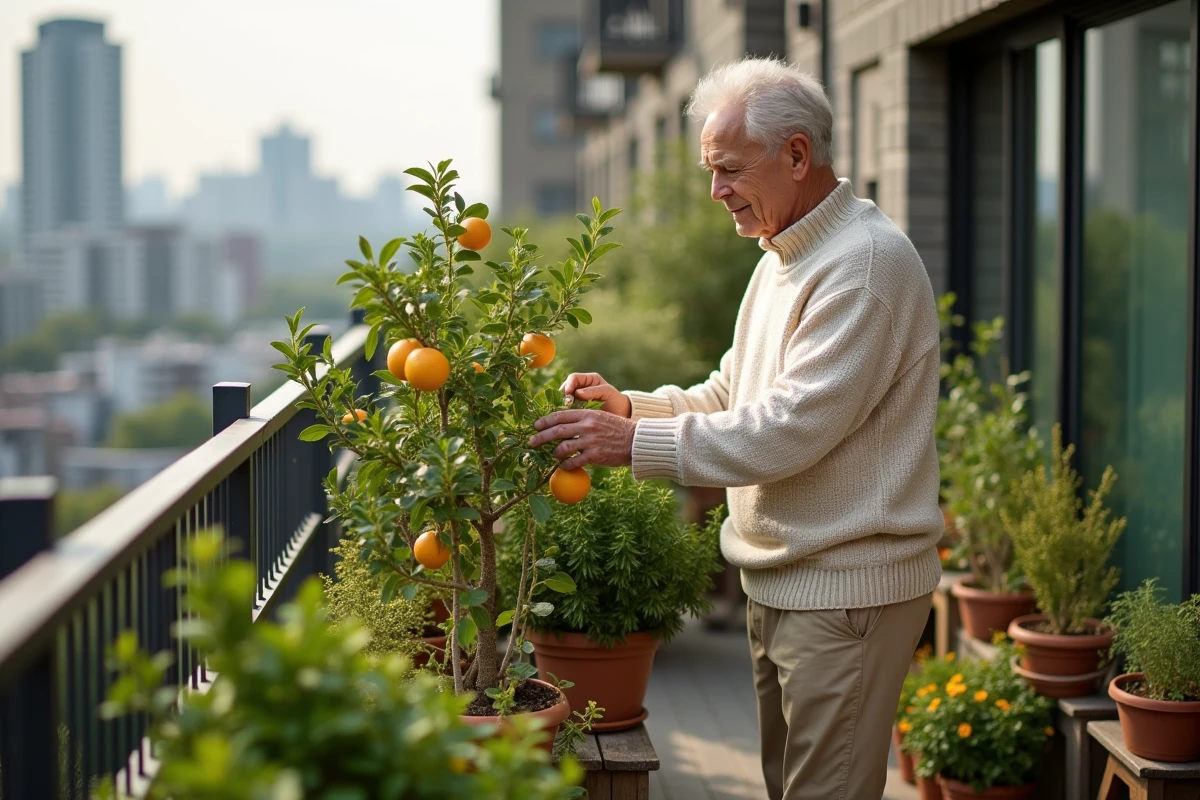
True happiness is reaping the fruits of patient attention. Whether cultivating a patch of earth or a planter on a windowsill, every action counts. Mistakes and successes are noted, shared, and inspire. Learning together multiplies the chances of successfully rooting a cutting, optimizing watering, and avoiding unpleasant surprises.
Local groups have an unsuspected power. In shared gardens, each plot becomes a testing ground. We exchange advice, share surplus, test methods, and adjust. This supportive network enriches gardening practice in France. It multiplies opportunities to progress, observe, and pass on knowledge.
Some concrete examples show the richness of these exchanges:
- Exchange of rare seeds or resilient plants
- Sharing harvests during collective markets
- Organizing practical workshops for young and old
On www.jardiniers.info, these dynamics are gaining momentum. Forums, guides, and feedback: the digital world transforms the garden into an open space, accessible to all. Know-how circulates, intersects, and enriches. Solutions for saving water, successfully growing heirloom varieties, or protecting the soil in winter are shared without borders. Tips and advice for successful gardening all year round spread, are shared, and bloom successes where they are least expected.