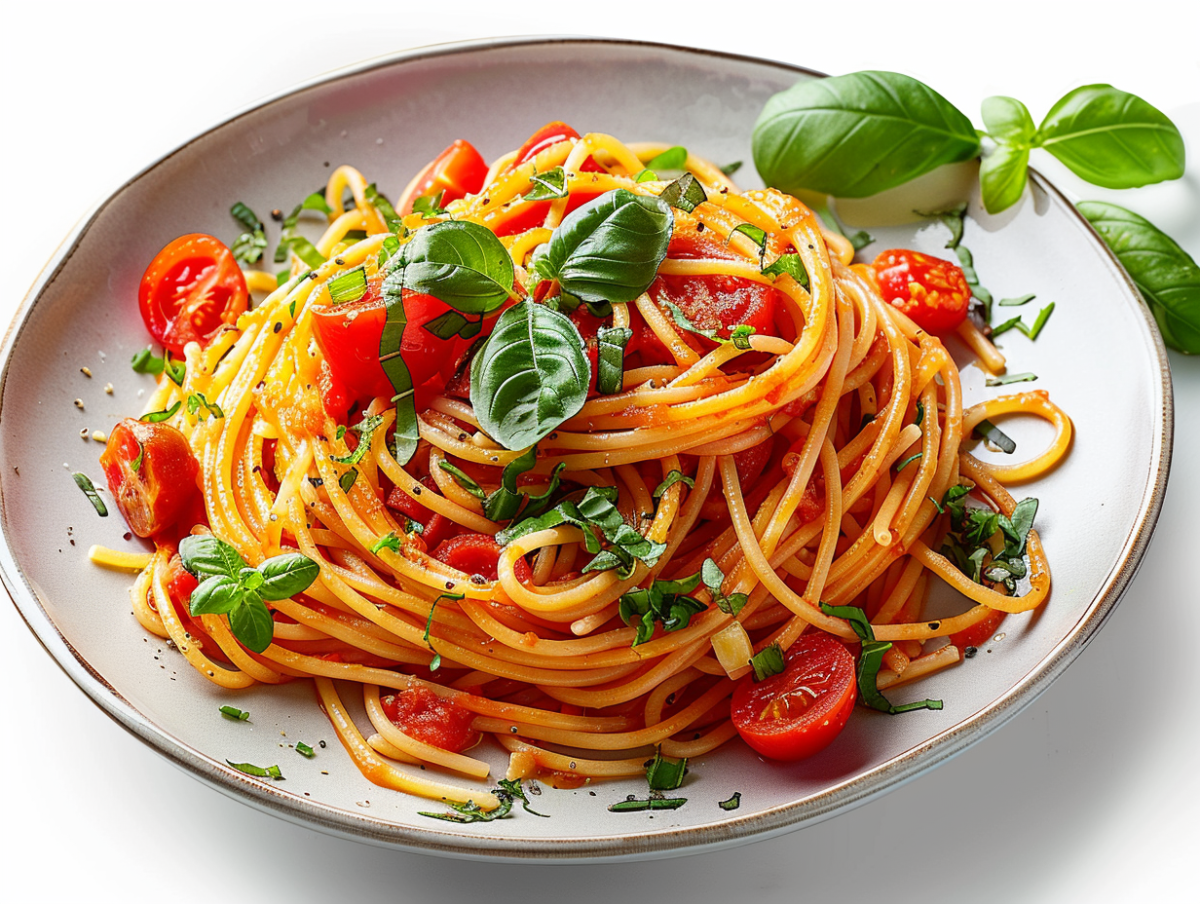
A balanced diet is a central pillar of a healthy life, and portioning meals is an essential component of it. Take pasta, for example, a staple food in many cultures. Knowing how much pasta to consume can be complex as it depends on multiple factors such as age, gender, physical activity level, and individual energy needs. Pasta comes in various shapes and sizes, which can mislead our perception of portions. Finding the right balance for a serving of pasta involves understanding nutritional guidelines and the ability to listen to your body’s hunger and satiety signals.
The basic principles for portioning pasta
Mastering the amount of pasta per person is a task not to be overlooked to ensure a balanced meal. On average, count 80 to 110 grams of dry pasta for a main dish and 60 grams when it comes to a side dish. For a pasta soup, a serving of 50 grams is sufficient. These measurements take into account that dry pasta swells significantly during cooking, unlike fresh pasta, which retains its initial volume.
Use a kitchen scale for precise measurement or, if unavailable, a spaghetti measure for long pasta such as spaghetti or linguine. For short pasta like macaroni, a glass can serve as a reference: a full glass is approximately the right portion for one person. Manual tricks also exist; for example, the amount of spaghetti that can fit between your index finger and thumb corresponds to an individual serving.
The difference between fresh pasta and dry pasta is notable in their cooking behavior. Fresh pasta cooks faster and is ideal if you want a quick meal without sacrificing quality. In contrast, dry pasta, due to its ability to swell, provides a greater feeling of fullness and is often preferred for main dishes.
The impact of cooking on pasta is also an element not to be neglected. Cooked al dente, pasta retains its nutritional qualities better, particularly in terms of glycemic index. Overcooking can transform slow sugars into fast sugars, thus altering the energy intake of the dish. Special attention should therefore be paid to cooking time to fully benefit from the advantages of pasta in your diet.
Adjusting pasta portions according to needs and occasions
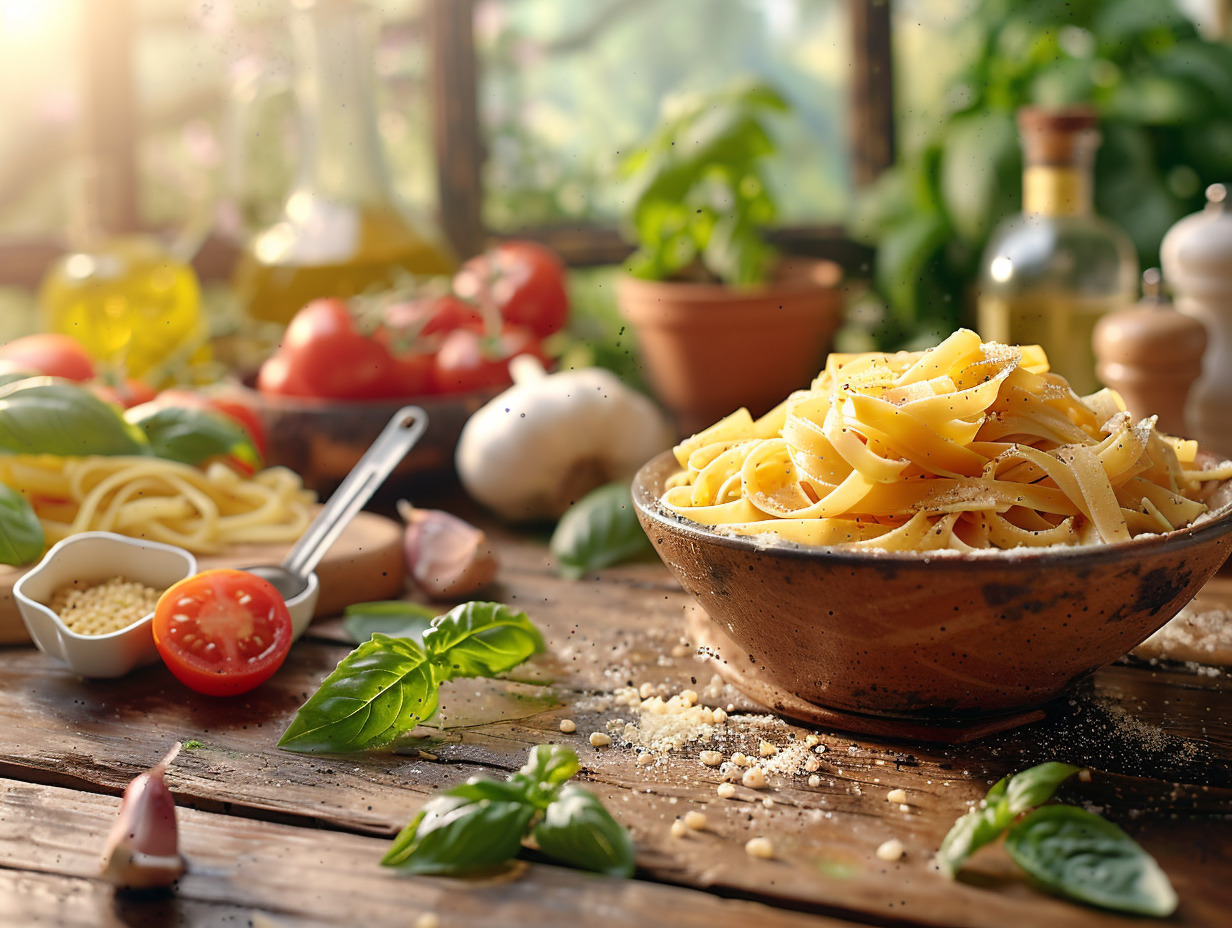
The ideal amount of pasta varies depending on individuals and the context of the meal. While adults generally adapt to the standard portions mentioned earlier, children and teenagers, with different metabolism and caloric needs, require adjustments. On average, a portion of 50 to 75 grams of dry pasta may be sufficient for younger ones. Consider the recommendations of the National Nutrition Health Program, which advocates for balance and dietary variety.
For athletes, the portioning of pasta takes on a strategic dimension, especially before physical exertion such as a competition. Pasta is a source of glycogen, essential for muscle energy. Before a sporting event, it is not uncommon for portions to reach 200 grams, with al dente pasta being favored for its slow sugar content.
In daily consumption, adjust the amount of pasta according to the type of dish. A main dish like ham-macaroni-cheese may justify a generous portion, while a broth with a few pasta pieces requires a more modest measure. Keep in mind that cooked pasta can be stored in the refrigerator, thus helping to reduce food waste.
The diversity of pasta also offers varied perspectives: fresh pasta for a light and quick meal, dry pasta for hearty dishes. The key to proper portioning lies in the ability to adjust quantities to circumstances, while also remembering to eat and move, in accordance with the guidelines of the National Nutrition Health Program.