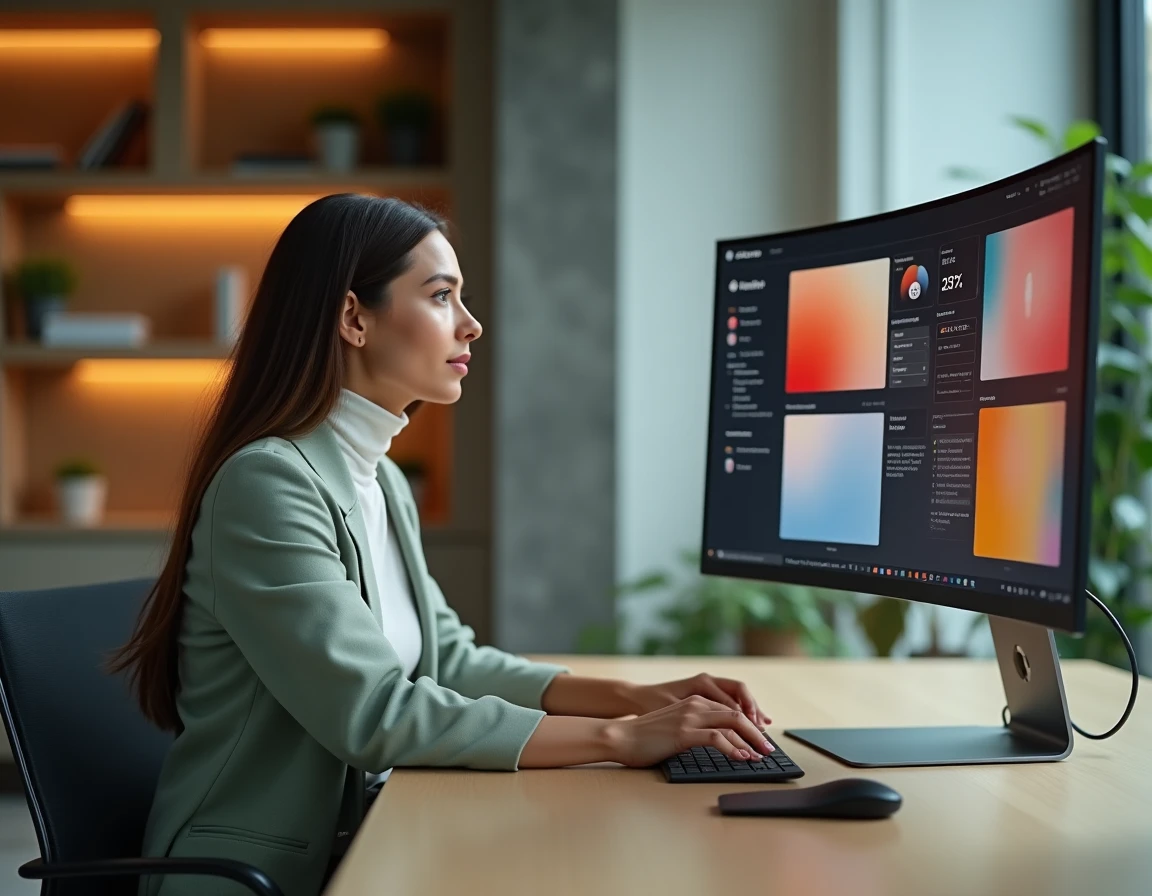
Image, text, and code generation tools have ceased to be mere laboratory curiosities. They are redistributing the daily work of agencies, studios, and creative freelancers. What is really changing is not the technology itself, but the way digital professionals are reorganizing their processes, pricing, and skills to remain relevant.
New Creative Processes in the Face of Generative AI: What is Changing in Studios
Have you noticed that an art direction brief no longer resembles what it was three years ago? Where a studio used to produce ten mockups to submit to the client, many now start by generating visual concepts with an AI tool, then refine them manually. The role of the art director is shifting: less raw production, more curation and editorial choice.
This reorganization also affects scheduling. Tasks that used to take several days (inspiration research, format adaptations for social media, first drafts of writing) are now completed in a few hours. The time saved is not always redistributed predictably. Some studios reinvest it in strategy or user testing. Others compress deadlines without adjusting their rates, which raises a real issue regarding the valuation of creative work.
Following the news from Pixikult.fr helps to identify how this transition is manifesting concretely in ongoing web projects and digital campaigns.
Hybrid Profiles and New Roles in Creative Digital
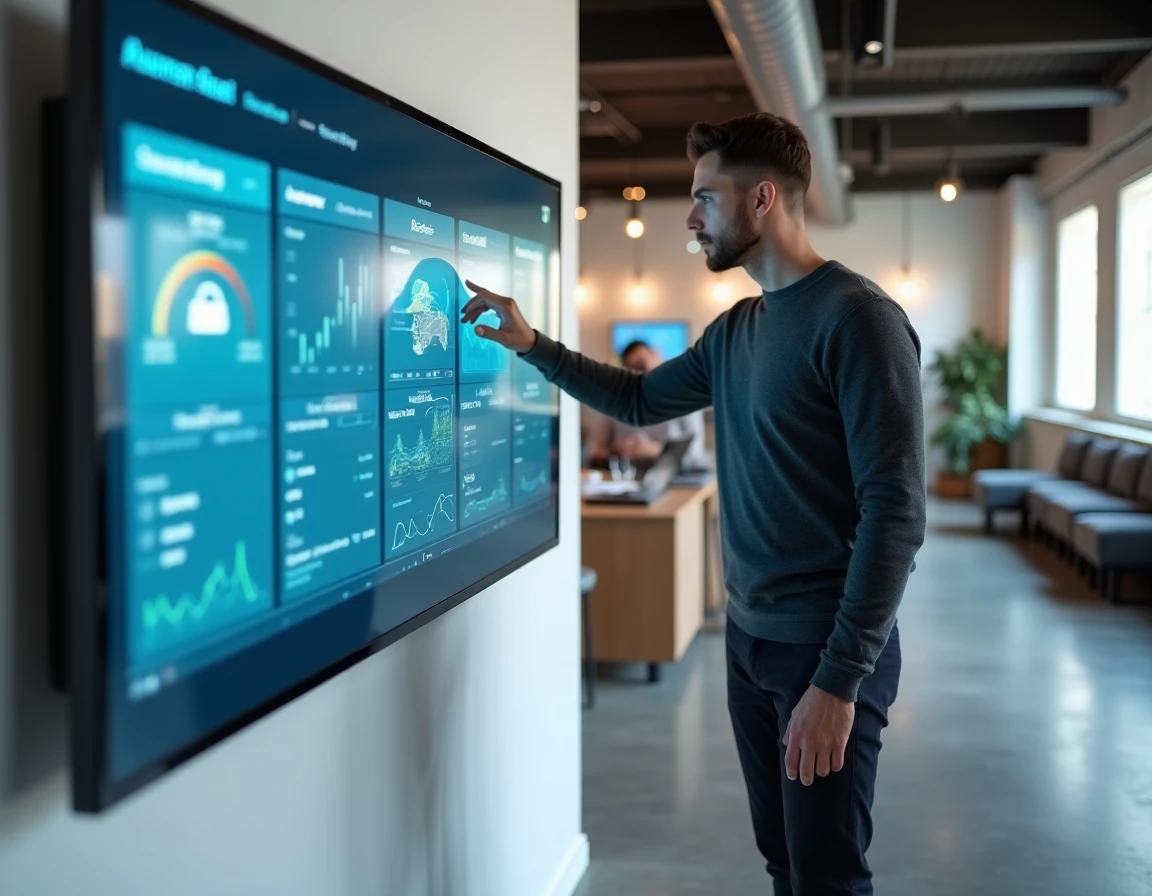
The graphic designer who only did layout work is finding less and less space in the market. Specialized design and digital schools describe, in their recent frameworks, a transformation of classic roles (web designer, UX/UI designer, motion designer) into hybrid profiles combining design, data, and product. Designers are now expected to know how to work with no-code platforms, read analytics data, and manage A/B testing.
This is not just a simple addition of lines on a resume. The very logic of the profession is changing. Take a concrete example: a UX designer designing a purchasing journey no longer just draws screens. They formulate hypotheses, set up a test with an A/B testing tool, analyze the results, and then iterate. Design is becoming a discipline of verification, not just creation.
Skills that Make a Difference in the Field
- Knowing how to prompt a generative AI tool to obtain a usable result, then manually refining it to adhere to a specific graphic charter.
- Mastering at least one website builder or no-code platform to prototype quickly, without relying on a developer for each iteration.
- Reading and interpreting usage data (conversion rates, heatmaps, user journeys) to guide design choices.
- Producing content suitable for the short formats of social platforms, while integrating the technical constraints of each network.
These skills do not replace artistic know-how. They complement it, and this is precisely what makes the transition uncomfortable for many creatives trained in a single discipline.
Website Builders and No-Code: Real Threat or False Debate for Web Agencies
Turnkey website editors are progressing rapidly. Their interfaces allow an entrepreneur to publish a decent site in a few hours, without writing a line of code. For agencies that charged for creating simple showcase sites, the market has tightened.
The effective response in the field is not to deny the existence of these tools. Profitable agencies are repositioning themselves on what no-code does not do well: content strategy, technical SEO optimization, complex user journeys, integration with business tools (CRM, ERP, databases). A showcase site generated by a builder may be visually satisfactory. It rarely achieves its conversion or SEO goals without qualified human intervention.

Emerging Business Models
Rather than selling a website as a finished product, several studios are adopting a monthly support model. The client pays a subscription that covers maintenance, continuous optimization, and content production. This format changes the relationship: the agency becomes a growth partner, not a one-time service provider.
Other freelancers specialize in auditing and revamping sites created on builders. Their added value? Transforming a generic site into a marketing tool that converts. They work on page structure, loading speed, internal linking, and research-oriented writing.
Communication and Content: What AI Changes for Brands and Their Audiences
Content production for businesses and brands is accelerating. Social media campaigns require more formats, more variations, more tests. Generative AI enables the production of visual and text variants at a pace that human teams alone could not maintain.
The risk is uniformity. When all brands use the same tools with similar prompts, the produced content tends to look alike. Consumers are increasingly able to spot AI-generated visuals, and trust in this type of content remains fragile.
Companies that are succeeding are betting on a strong editorial layer. They use AI for volume and speed but entrust creative direction, tone of voice, and final validation to humans. Influencers and content creators adopt the same logic: the tool speeds up production, but the author’s personality remains the differentiating factor with the audience.
- High-performing campaigns combine AI generation for variations and human supervision for brand consistency.
- Social platforms favor content perceived as authentic, prompting brands to maintain a visible artisanal touch.
- User data (analytics, community feedback) becomes the main filter for deciding what content to produce, rather than intuition alone.
The digital and creative world is not undergoing a simple technological update. The professionals who adapt best are those who view AI as a production tool, not as a strategy. Strategy, on the other hand, remains a matter of understanding users, editorial choices, and technical know-how that machines do not formulate on their own.