
Designing an interior that reflects your personality doesn’t require a huge budget or the intervention of an architect. The starting point is a careful analysis of your habits: where do you eat most often, where do you work, what route do you take between the kitchen and the sofa? This simple diagnosis guides every decision regarding furniture, color, and layout much better than a trend catalog.
Traffic and living zones: planning before decorating
Have you ever noticed that a cluttered living room gives an impression of fatigue, even when it’s clean? The problem rarely comes from the number of pieces of furniture. It stems from their placement in relation to daily traffic.
Take your main room. Mentally trace the path between the entrance, the kitchen, the sofa, and the dining table. Every piece of furniture that interrupts a frequent route creates invisible friction. A sideboard shifted by forty centimeters can transform the feeling of space without buying anything new.
Professionals call this principle “traffic.” In practical terms, you should maintain a clear passage of at least shoulder-width between two pieces of furniture that you often walk past. In a living room open to the dining area, the table should not require you to navigate around the sofa to sit down. If that’s the case, swap the two areas: the table near the kitchen, the sofa by the window.
To test different layouts before moving anything, platforms like place-a.com allow you to visualize configurations and draw inspiration from concrete arrangements suited to each type of space.
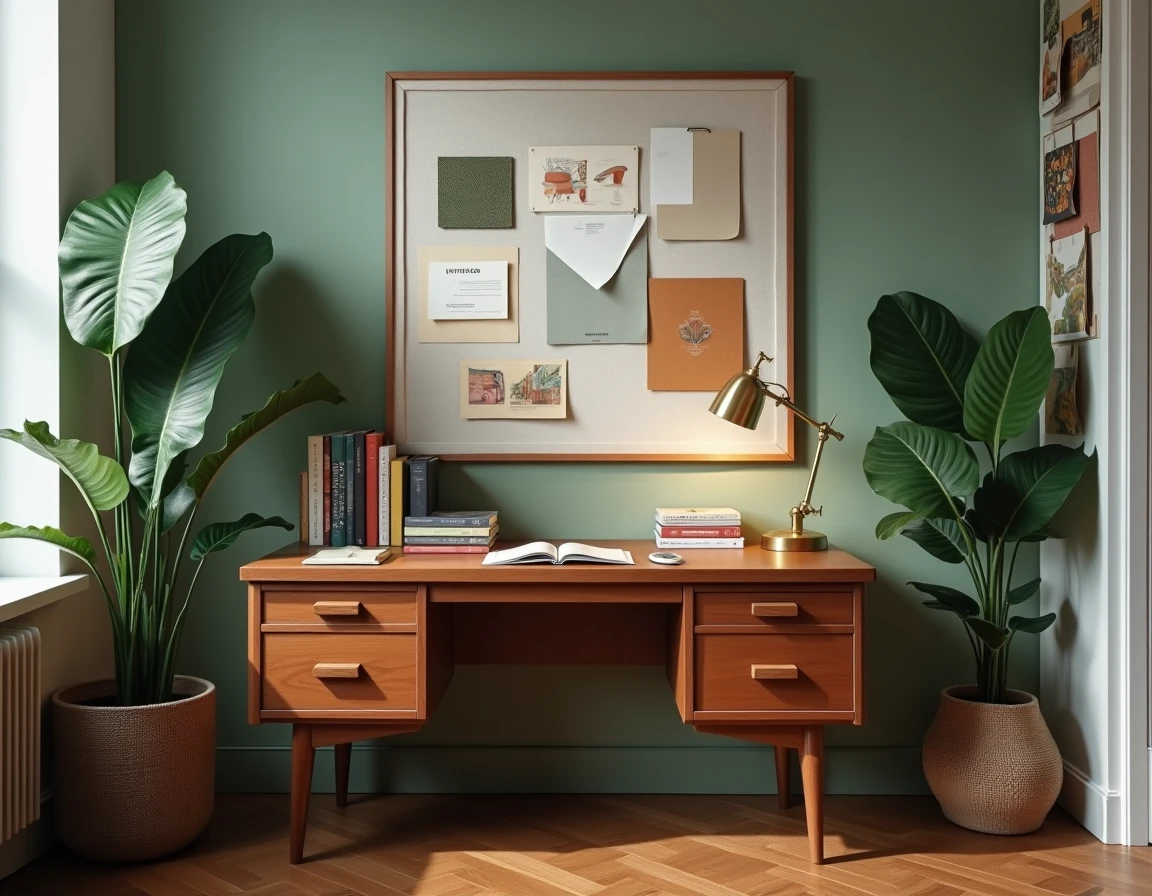
Integrated office in the living room: creating a discreet workspace
Since the rise of remote work, an increasing number of households are looking to incorporate a workspace into the living room or bedroom. The challenge: to work without the room feeling like an office.
The most effective solution is dual-purpose furniture. A narrow console placed against a wall can serve as a desk during the day and as a serving table in the evening. Some dining tables are designed to accommodate a laptop during the day, then disappear under a tablecloth at dinner time.
Three criteria for choosing a desk-living room furniture
- The depth of the tabletop: a shallow tabletop (around forty centimeters) is sufficient for a laptop and doesn’t take up circulation space.
- Closed storage: a cabinet with a door or a drawer allows you to hide cables and files at the end of the day, visually cutting the work-rest boundary.
- Height: a foldable desk or a drop-leaf table frees up the wall when you no longer need it.
Place this workspace near a source of natural light. Working facing a window reduces eye strain and prevents you from adding a desk lamp that takes up more surface space.
Colors and lighting: two levers that change the perception of an interior
Painting a wall is the cheapest and most transformative decorating gesture. However, you must choose the right wall and the right shade.
One accent wall is enough in most rooms. The one you see when entering the room is the natural candidate. A bold color (terracotta, teal, sage green) on this single wall adds depth without darkening the entire space. The other three walls remain light, and the contrast effect does the work.
Three-layer lighting
Why do some interiors feel warm while others, with the same furniture, seem cold? The answer often lies in the lighting. A single ceiling light flattens textures and washes out colors.
The principle of three layers is simple:
- An ambient source (pendant or ceiling light with a dimmer) for general lighting in the room.
- A functional source (reading lamp, under-cabinet spotlight) for specific tasks.
- A decorative source (string lights, candles, low table lamp) to create an evening atmosphere.
The layering of these three sources creates depth and warmth, even in an all-white living room. Vary the heights: a floor lamp, a table lamp, a ceiling fixture. This vertical offset draws the eye upward and visually enlarges the room.
Upcycled and second-hand furniture: style without overconsumption
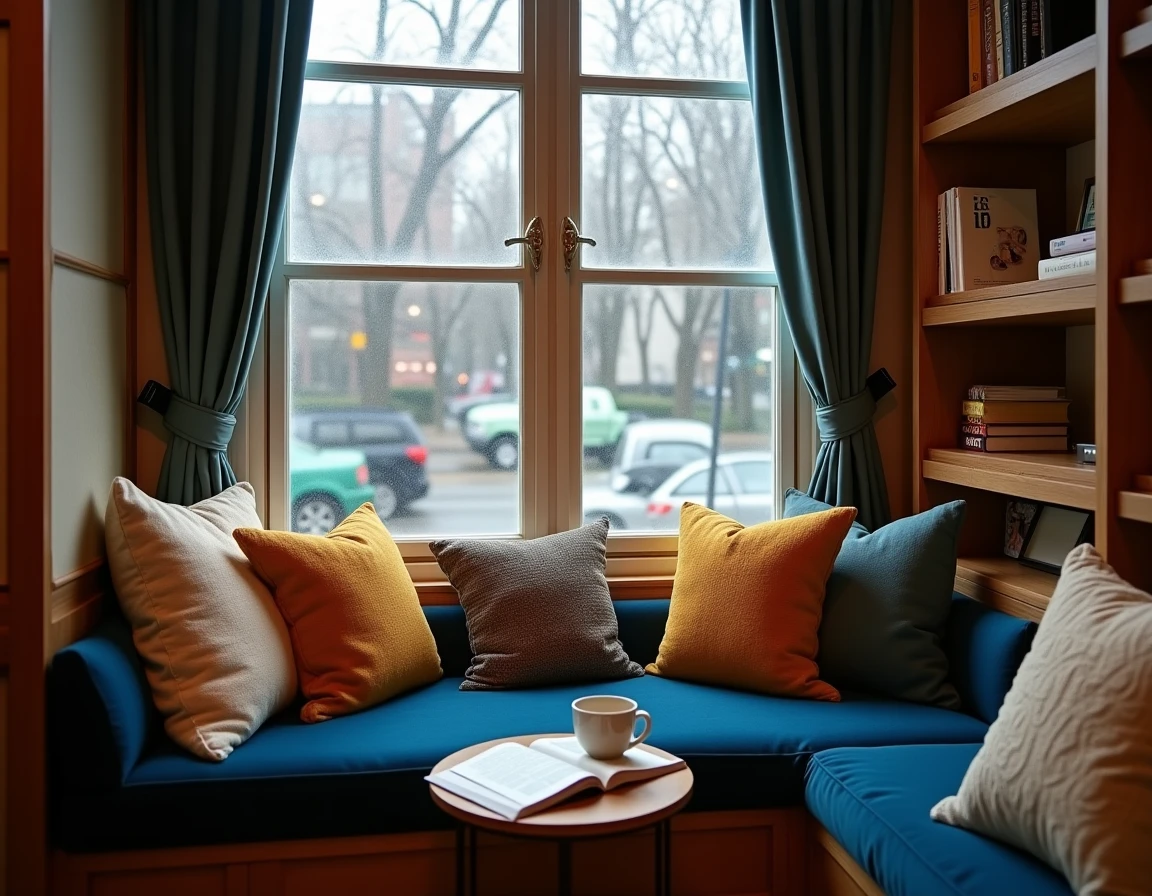
In recent years, the purchase of second-hand furniture has significantly increased, even among major retailers that now create dedicated spaces for refurbishing and resale. This movement is not just ecological: it produces more unique interiors.
A rattan chair found at a flea market adds a texture that no standardized new furniture can replicate. Mixing a vintage piece with contemporary furniture creates a contrast that gives character to a living room without the effort of coordination.
Upcycling goes further: repainting an old dresser in a bright color, changing the handles of a sideboard, reupholstering a worn seat. These actions take a few hours and transform an ordinary piece of furniture into a central element of the decor.
Precautions before buying second-hand furniture
Check the sturdiness of the structure (legs, hinges, drawers) before focusing on aesthetics. A piece of furniture with deeply cracked wood will cost more to restore than to replace. On the other hand, a surface patina or worn fabric can be easily corrected and should not discourage you.
Designing an interior involves concrete decisions: the placement of a table in relation to a passage, the choice of a wall to paint, the number of light sources in a room. Each of these actions, taken in isolation, seems modest. Combined in a space where the traffic has been thoughtfully planned, they produce a result that visitors notice without always being able to explain it.